
Inside the spike.
What one meal really does to your energy, and how Equil keeps it flat.
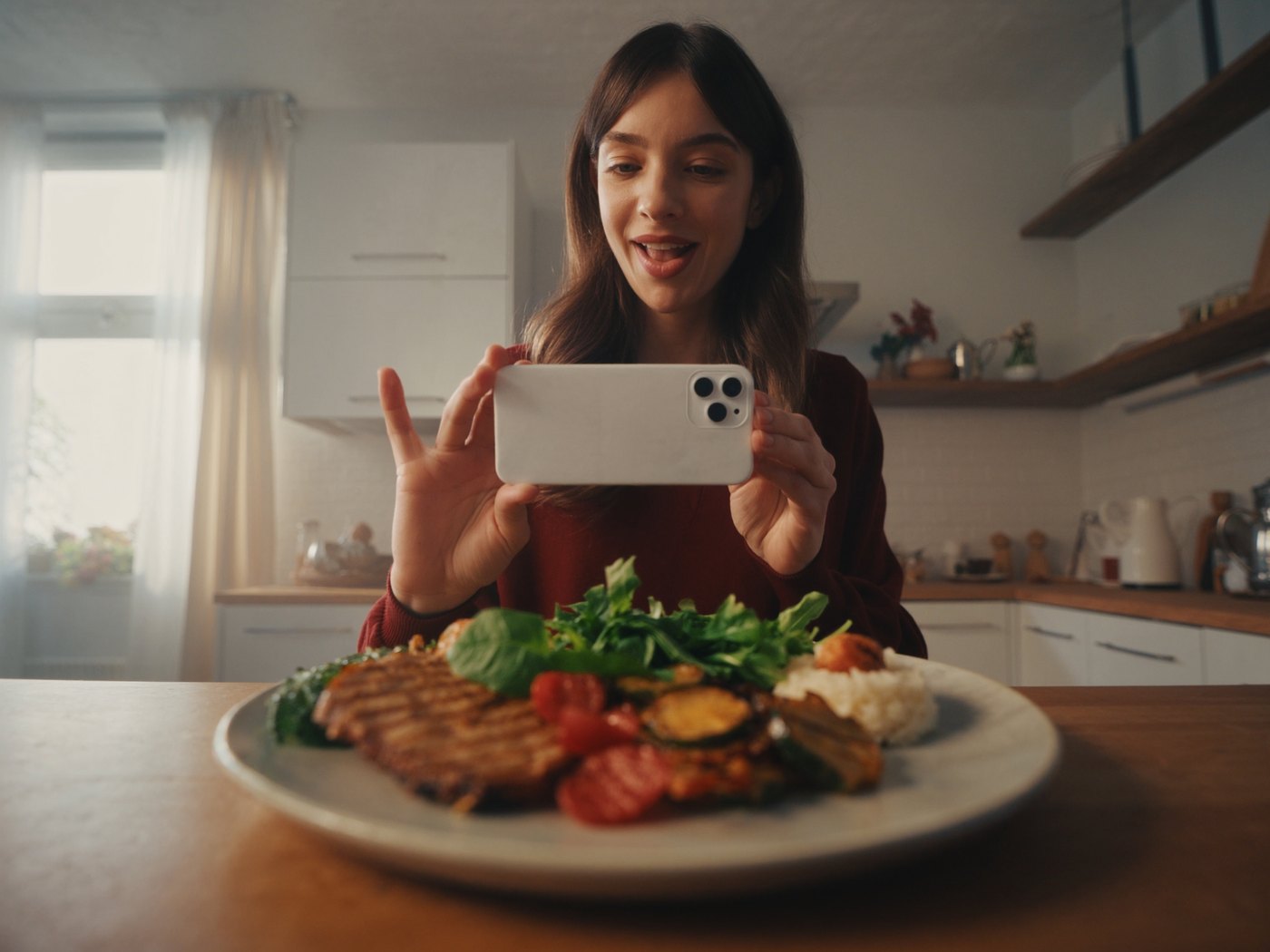
Snap the meal. Equil scores its spike risk in seconds, before the first bite.
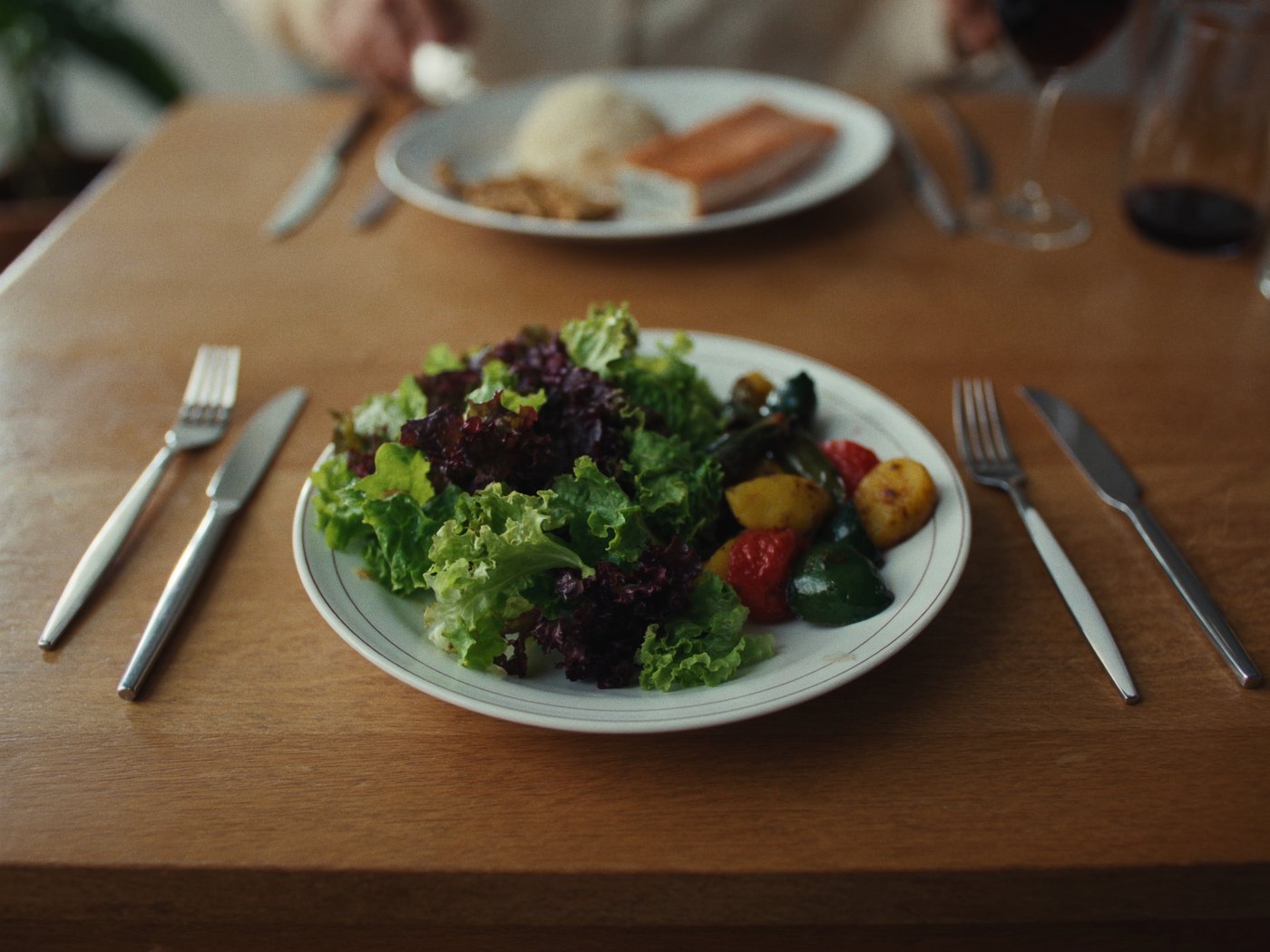
Eat in the right order. Greens and protein first, the starch last.

Keep the energy. A flatter curve means a steadier, sharper afternoon.
Glucose defense
Why your blood sugar spikes
Every meal sends glucose into your blood. The faster it climbs, the harder your body slams it back down, and that crash is the afternoon slump, the cravings, the fog. A flat curve is steady energy. A sharp one is a roller coaster.
The order you eat changes everything
Same plate, different order, different spike. Vegetables and fiber first, then protein and fat, then the rice or bread. The exact same meal lands softer, and your curve flattens without eating a single thing less.
It is not only what, but when
A glass of water before the carbs, a little protein to start, a short walk after lunch. Small moves blunt the peak. The spike you never trigger is the one you never have to recover from.
Equil sees the spike before you do
Snap the meal. Equil scores its spike risk in seconds, then tells you how to eat it, what to pair it with, and when to move so the curve never gets the chance to climb. No CGM, no finger pricks, no guessing.
Glucose defense
Glucose spikes, answered
What causes a glucose spike after eating?
A glucose spike happens when carbohydrates from a meal are broken down into sugar and enter your bloodstream faster than your body clears them. Refined carbs and sugary foods spike the fastest, while fiber, protein, and fat slow the rise and keep the curve flatter.
Why do I feel tired and crash after lunch?
The afternoon slump usually follows a sharp glucose spike. After blood sugar climbs quickly, your body releases insulin to bring it back down, and the rapid drop that follows leaves you tired, foggy, and craving more carbs.
Does the order you eat your food affect blood sugar?
Yes. Eating vegetables and fiber first, then protein and fat, and saving starches and sugars for last can noticeably lower the spike from the very same meal, because the order slows how fast sugar reaches your blood.
How can I avoid glucose spikes without a CGM?
Most spikes drop with simple habits: eat fiber and protein before carbs, take a short walk after meals, and drink water before starchy foods. Equil estimates the spike risk of a meal from a photo, so you can adjust before you eat, with no monitor or finger pricks.
What foods cause the biggest blood sugar spikes?
White bread, white rice, potatoes, sugary drinks, sweets, and most processed snacks raise blood sugar the fastest because they digest quickly. Pairing them with vegetables, protein, or fat softens the spike.
Can you flatten your glucose curve without eating less?
Often yes. Changing the order you eat, adding fiber or protein, and moving after meals can flatten the curve from the exact same food, without cutting your portions.
Equil offers general wellness and nutrition guidance and does not diagnose, treat, or monitor medical conditions.