
From lights out to wide awake.
Equil follows your night, then shapes the day that follows.

A bedtime that fits. Your wind-down time, set by how hard today actually was.

Lights low. The room dims, the day lets go, and the night takes over.
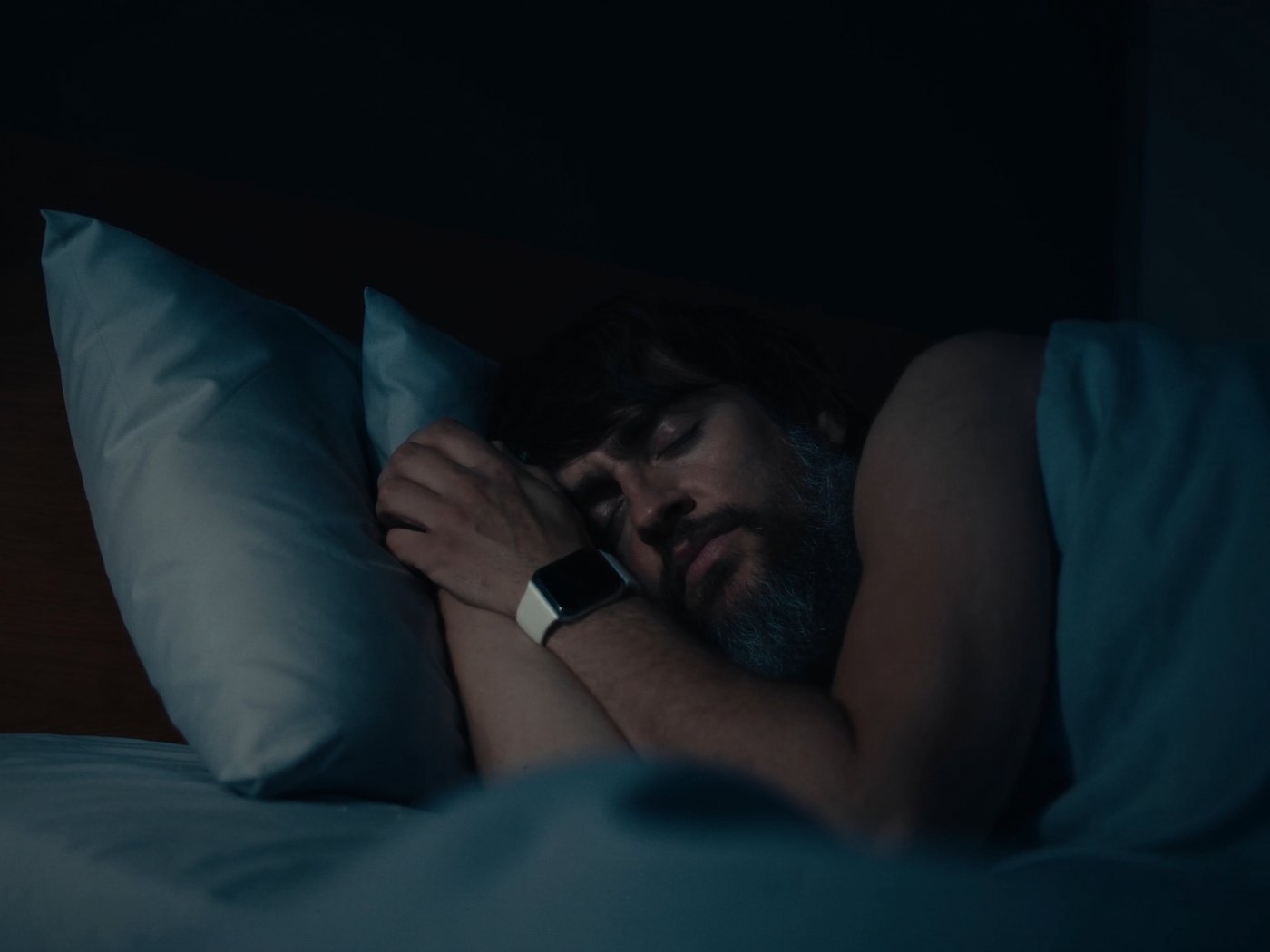
Measured all night. Sleep stages, heart rate, and recovery, tracked from your wrist.

A smarter wake. A wake window matched to your recovery, not just the clock.

The morning score. Recovery and sleep, read the second you open your eyes.

Tomorrow, adjusted. A rough night eases today’s plan. A strong one earns the push.
Sleep
Why sleep is the foundation of everything
Training breaks you down. Sleep builds you back. Every recovery score, every steady glucose curve, every day you actually feel sharp starts with the night before.
Where recovery happens
Muscle repair, hormone balance, and a clear head are built during deep and REM sleep, not in the gym. Miss the night and the work does not stick.
Sleep moves your numbers
Short nights raise next-day glucose, drain energy, and push your resting heart rate up. Equil watches all three and ties them back to your rest.
The night, in your plan
Equil reads your sleep and recovery, then sets tomorrow’s bedtime, wake window, and training load around it. Rest becomes a plan, not an afterthought.
Sleep
Sleep and recovery, answered
How much sleep do I actually need?
Most adults do best on seven to nine hours, but the right amount depends on your training load and recovery. Equil tracks how your body responds and flags when you are consistently short.
Does sleep affect blood sugar and energy?
Yes. A short or broken night raises next-day glucose responses and drains energy. Equil links your sleep to your glucose and recovery so you can see the pattern.
How does Equil track my sleep?
Through Apple Health. The sleep stages, heart rate, and time in bed your Apple Watch records flow into Equil and become your recovery score.
What is a good recovery score?
A high score means your body is rested and ready for harder effort. A low one is a signal to ease off. Equil reads sleep, resting heart rate, and heart rate variability to set it.
Should my bedtime change with training?
Yes. Harder days need more recovery, so Equil shifts your wind-down and wake targets to match the load you actually put in.
Can a bad night change my workout plan?
Yes. When recovery is low, Equil eases the day’s intensity, and when you are well rested it clears you for the harder session.
Equil offers general wellness guidance using your Apple Watch sleep data and does not diagnose, treat, or monitor any sleep or medical condition.